E3 upholstery cleaning for Bow Quarter flats
If you live in Bow Quarter, you already know the furniture in a flat takes a beating in ways people don't always expect. Narrow hallways, busy evenings, pets hopping onto the sofa, coffee on the armchair, and the occasional "I'll deal with that later" stain all add up. E3 upholstery cleaning for Bow Quarter flats is really about restoring comfort, hygiene, and appearance without turning your home upside down. Done properly, it can make a room feel brighter, fresher, and oddly calmer. You notice it the minute you sit down.
This guide explains what upholstery cleaning involves, why it matters in Bow Quarter flats, how the process works, and what to expect from a professional service. It also covers common mistakes, sensible best practice, and the details people often forget until the last minute-drying times, fabric safety, access, and whether that stubborn mark is actually cleanable. Let's get into it.
Why E3 upholstery cleaning for Bow Quarter flats matters
Upholstery in a flat is not the same as upholstery in a showroom. In Bow Quarter, furniture usually works harder because living spaces are compact and multi-purpose. Your sofa might be where you eat, work, relax, and host friends in the same week. That means body oils, food crumbs, dust, pet hair, and accidental spills settle into fabric faster than most people realise. One day it looks "a bit tired", then suddenly the whole room does.
There's also the practical side. Upholstery traps fine dust and odours, especially in homes with carpets, curtains, and limited ventilation. If you've got a dark patch on a seat cushion or a lingering smell that seems to survive regular vacuuming, the issue is often deeper than the surface. A proper clean can remove the build-up instead of just masking it.
For Bow Quarter flats in particular, there's a strong lifestyle reason too. A well-kept sofa or dining chair changes how the whole flat feels. Smaller homes rely on each item more heavily, so clean upholstery makes a bigger visual difference. It sounds simple, but it's true: if the main seating looks fresh, the whole place reads as tidier.
Expert summary: Upholstery cleaning is most effective when it is matched to the fabric, the stain, and the drying conditions in the flat. In a compact E3 home, the "what fabric is this?" question matters just as much as the cleaner itself.
If you're already thinking about a broader refresh, it can also make sense to review professional upholstery cleaning alongside sofa cleaning, especially when the sofa is the main seating area in the flat. Many people also pair it with targeted stain removal when one mark is driving them mad.
How E3 upholstery cleaning for Bow Quarter flats works
Professional upholstery cleaning is usually a methodical process rather than a quick once-over. Good cleaners don't just wet the fabric and hope for the best. They inspect the fibres, test a small area, choose the right cleaning solution, and manage moisture carefully so the furniture dries safely.
In broad terms, the process often looks like this:
- Inspection - The cleaner identifies the fabric type, visible marks, wear patterns, and any delicate areas such as piping, buttons, or trims.
- Pre-vacuuming - Loose dust, crumbs, pet hair, and grit are removed first so they don't turn into mud when cleaning starts.
- Spot treatment - Specific stains are treated with suitable products rather than a one-size-fits-all spray.
- Main clean - Depending on the fabric, the cleaner may use hot water extraction, low-moisture cleaning, foam methods, or specialist hand-cleaning.
- Rinse and residue control - Detergent residues are removed as far as possible to reduce stickiness and re-soiling.
- Drying support - Airflow is encouraged, cushions may be positioned carefully, and the client is told how long to wait before full use.
That final part matters more than people think. In flats, especially where windows are small or the weather is damp, drying takes planning. You do not want a freshly cleaned armchair trapping moisture in a warm room all evening. That's how musty smells start.
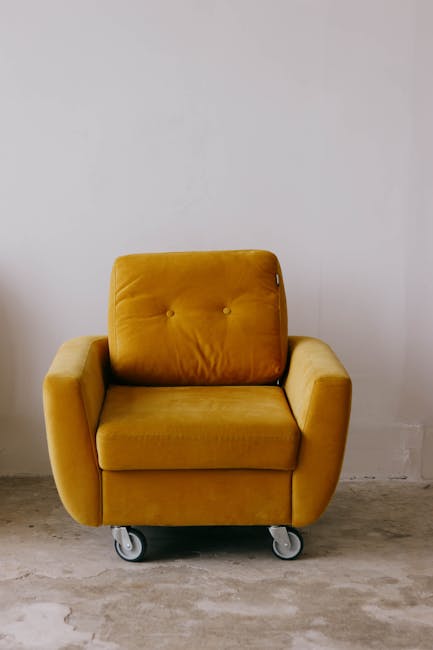
Some fabrics need steam-style or water-based cleaning, while others need a gentler approach. This is where experience counts. A velvet-style finish, for example, can behave very differently from a synthetic weave. To be fair, it's easy to underestimate. Upholstery looks soft and simple, but it can be fussy.
When the job is handled well, the result should be evenly clean, not patchy, not over-wet, and not left with soap residue. If the cleaner offers a package that also covers pet stain and odour removal, that can be especially useful in Bow Quarter flats where animals share the main living area.
Key benefits and practical advantages
The most obvious benefit is appearance. A good clean lifts the dull film that builds up on arms, seat cushions, headrests, and the front edge of furniture. But the real value often runs deeper than that.
- Cleaner-looking rooms - Fresh upholstery changes the tone of the whole flat, especially in open-plan living areas.
- Improved comfort - Clean fabric feels better to sit on and doesn't have that stale, "lived-in" heaviness.
- Better odour control - Spills, pets, and general daily use can create smells that are hard to remove with air freshener alone.
- Fabric preservation - Regular professional cleaning can help reduce the kind of embedded dirt that wears fibres down over time.
- More hygienic seating - Dust and allergens are reduced when the fabric is properly deep cleaned, though it's sensible not to promise miracles.
- Better preparation for tenants, guests, or inspections - A clean sofa or dining set can make a flat feel ready, not half-finished.
There's also a small but real psychological benefit. When the sofa no longer has that one old mark from a coffee spill in 2022, the room stops nagging at you. It's strange, but many people find that one job quietly changes how they feel about the whole home. A bit less friction. A bit more pride in the space.
For broader fabric care, it can help to combine upholstery treatment with curtain cleaning or mattress cleaning if odours or dust are affecting the flat as a whole. That's not always necessary, of course, but in compact homes the benefits can stack up nicely.
Who this is for and when it makes sense
This service makes sense for a surprisingly wide group of people. If any of the situations below sound familiar, you're probably in the right place.
- Homeowners who want the flat to feel fresh again after a winter of closed windows, takeaway nights, and everyday wear.
- Tenants preparing for inventory or end of tenancy who want to leave the furniture looking decent and avoid avoidable disputes.
- Landlords and managing agents who need the upholstery in a Bow Quarter flat to present well between occupancies.
- Pet owners dealing with hair, odours, and the occasional accident on a favourite chair.
- Families with children where snack crumbs, juice marks, and sticky hands are basically part of the decor.
- People with sensitive noses or dust concerns who want a cleaner living environment without replacing the furniture.
It also makes sense when the upholstery still has life left in it. That's the key point. If the frame is sound and the fabric is structurally fine, cleaning is usually better value than replacement. Why throw away a good sofa just because the seating surfaces are tired? Not unless there's damage, tears, or fading that no cleaner can fix.
If you're weighing up whether a broader refresh is worth it, you might also compare the main upholstery work with steam carpet cleaning or carpet cleaning. In many flats, the soft furnishings age together.
Step-by-step guidance
Here's a practical way to approach upholstery cleaning in a Bow Quarter flat without overcomplicating it.
1. Identify the fabric and the problem
Start with the furniture label if it's visible. If not, note whether the fabric feels synthetic, natural, delicate, or textured. Then look at the actual issue: stain, odour, general dullness, pet hair, or a combination. A wine stain needs a different response from a grease mark or a general refresh. Obvious, yes. Still missed a lot.
2. Clear the area around the furniture
In a flat, space is precious. Move small items, lamps, cushions, blankets, and anything breakable. Give the cleaner access to the front, sides, and if possible the back of the sofa or chair. You'll save time and avoid little accidents. Nobody wants to play furniture Tetris at 9 a.m.
3. Vacuum thoroughly first
Dry soil removal is the boring bit that makes the biggest difference. Crumbs and dust removed before wet cleaning prevent muddy smearing and improve the final result. If you skip this step, you often get a faster-looking clean that doesn't actually last.
4. Test treatment on an inconspicuous area
A responsible cleaner will usually test a hidden spot before treating the whole item. That helps protect against colour bleed, water marking, texture change, or fibre distortion. It's not drama; it's just sensible care.
5. Treat stains individually
Good spot treatment is targeted. A protein stain, food mark, or oily residue may each require different chemistry and dwell time. The aim is to break down the stain without spreading it further. This is where "more product" is not the answer. Often it's the opposite.
6. Clean with the right method
Depending on the upholstery, a cleaner may use hot water extraction, low-moisture cleaning, foam, or carefully controlled hand cleaning. For many flats, moisture control matters as much as cleaning strength because airflow can be limited. A careful job should leave the fabric refreshed, not soggy.
7. Dry properly and keep the room ventilated
Open a window if weather allows, or create airflow in a safe way. Move cushions as recommended and avoid sitting on the furniture too soon. It is tempting, I know. But if you use it too early, you risk flattening the pile, attracting dirt, or slowing drying.
8. Review the result and note anything left behind
Some older stains may lighten rather than disappear, and some fabric wear is permanent. A good professional will explain that clearly. That honesty matters. The point is to improve the furniture safely, not promise fairy dust.
Expert tips for better results
If you want the best outcome from E3 upholstery cleaning for Bow Quarter flats, a few small habits make a real difference.
- Act quickly on spills - Blot, don't rub. Rubbing pushes the stain deeper and distorts the fabric.
- Vacuum weekly - Light maintenance keeps dirt from settling into the weave.
- Use armrest covers or throws carefully - They can help, but only if washed regularly themselves.
- Be cautious with supermarket stain sprays - Some leave sticky residues or change the colour slightly. That's a pain to reverse.
- Think about the whole room - If the sofa is clean but the rug, carpet, or curtains are dusty, the room may still feel tired.
- Ask about fabric suitability before booking - Especially for delicate, antique, or blended fabrics.
A small but useful tip: photograph the stain before treatment if you're particularly worried. It helps you see real progress later, because memory is a funny thing. We remember the mess far more vividly than the improvement.
For deeper odour or spill issues, the pairing of pet odour treatment and stain removal can be the difference between a quick tidy-up and a proper reset.
Common mistakes to avoid
People often make upholstery cleaning harder than it needs to be. Usually with good intentions, which is the annoying part.
- Using too much water - Over-wetting can leave marks, smells, or long drying times.
- Scrubbing aggressively - This can roughen fibres and spread stains.
- Ignoring fabric labels - Those codes exist for a reason, even if they look a bit boring.
- Mixing cleaning products - That can create residue or worse. Best avoided.
- Cleaning only the visible stain - Spot cleaning alone may leave tide marks or patchiness.
- Not allowing enough dry time - Using the furniture too early can undo the work.
- Assuming all furniture is cleanable in the same way - Different materials need different handling.
Another mistake is forgetting about access in a Bow Quarter flat. If the sofa is oversized or the corridor is tight, moving equipment through the building may take planning. It sounds mundane, but in real life these details are often what separate a smooth appointment from a stressful one.
Tools, resources and recommendations
You don't need a house full of specialist equipment to maintain clean upholstery, but a few basics help.
- Vacuum with upholstery attachment - Good suction and a soft nozzle are ideal for regular upkeep.
- Microfibre cloths - Handy for blotting spills without roughing up the surface.
- White absorbent cloth or paper - Useful for first response after a spill.
- Fabric-safe spot cleaner - Only if you know the fabric type and are confident it's suitable.
- Fans or practical airflow - Particularly useful in flats where drying can be slower.
If you're booking a professional service, useful pages to review include pricing and quotes, payment and security, and insurance and safety. They help set expectations before anyone arrives, which is just calmer for everyone.
For broader home care planning, some Bow Quarter residents also schedule rug cleaning and curtain cleaning at the same time. It can be a neat way to refresh the room without stretching the whole process out over several weekends.
Law, compliance, standards, or best practice
For domestic upholstery cleaning, the main concern is not legislation in the dramatic sense, but safe and responsible practice. A reputable cleaner should work in line with sensible health and safety procedures, use appropriate products, and avoid careless over-wetting or unsafe handling. In shared or managed buildings, it is also wise to be mindful of building access rules, noise, and any requirements from the managing agent. Nothing exotic. Just decent practice.
If the property is rented, both tenants and landlords generally benefit from clear communication about condition, access, and expectations. In practical terms, that means agreeing what is being cleaned, what level of stain removal is realistic, and whether pre-existing wear is being treated as part of the job. Clear notes at the start save awkward conversations later.
It is also sensible to choose a company that is open about its policies. Pages such as terms and conditions, privacy policy, health and safety policy, and recycling and sustainability can help you judge how carefully the business operates. Transparency is never a bad sign.
If there is ever a problem, a clear complaints procedure is another reassuring marker. Most jobs go smoothly, of course, but it's nice to know a company has thought about the less glamorous side too.
Options, methods, or comparison table
Different upholstery jobs call for different approaches. Here's a simple comparison to help you think it through.
| Method | Best for | Strengths | Watch-outs |
|---|---|---|---|
| Hot water extraction | Many synthetic sofas and chairs with embedded dirt | Strong deep-cleaning ability, good for soil removal | Can take longer to dry if used too heavily |
| Low-moisture cleaning | Flats with limited drying airflow or more delicate setups | Faster drying, less disruption | May be less aggressive on heavy soiling |
| Foam or controlled surface cleaning | Mixed fabrics or lighter refresh jobs | Gentler, often suitable for maintenance cleans | May not fully shift old stains |
| Hand-cleaning and spot treatment | Small pieces, delicate trims, or targeted stain work | Very precise, good for careful detail work | Time-consuming and not ideal for large heavily soiled items |
The right method depends on the fabric and the condition of the furniture. A "best" method in one Bow Quarter flat might be a poor choice in another. That is normal. There is no universal magic wand here, just the right process for the right seat.
Case study or real-world example
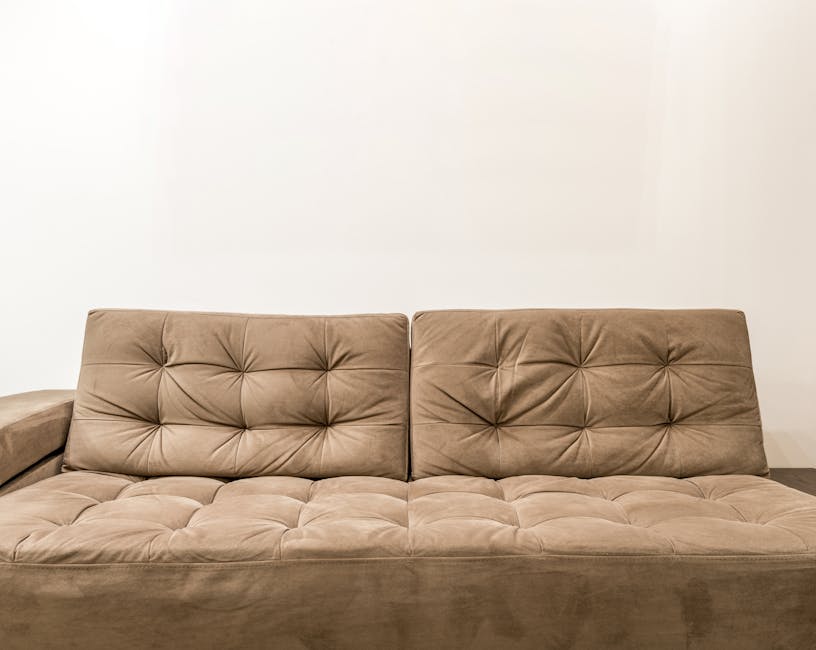
Here's a realistic example from the sort of flat people often describe. A resident in a Bow Quarter apartment had a three-seat sofa that looked fine at a glance, but the front cushions had grown darker over time. There was also a faint smell after meals and pet naps, the sort of smell you stop noticing until you leave the flat for an hour and come back in.
The cleaner started with a careful inspection and dry vacuum, then tested the fabric before treating the armrests, seat cushions, and one small food stain. The main challenge was not the stain itself but the limited drying space. The room had one open window and not much else, so the cleaner used a lower-moisture method and advised the client to keep the cushions separated for the rest of the day.
The result was not a showroom transformation-that would be silly to promise-but the sofa looked brighter, the odour was reduced, and the whole room felt lighter. The resident said the biggest difference was simply sitting down later that evening and not seeing the same dull patches in their eye line. It's funny how relief can be that ordinary.
That is often the real outcome with upholstery cleaning in a flat. Not perfection. Just a noticeable reset.
Practical checklist
Use this checklist before your upholstery cleaning appointment in Bow Quarter.
- Identify the furniture that needs cleaning.
- Check for fabric labels or any care notes.
- Photograph stains or damaged areas if useful.
- Move fragile items and clear access paths.
- Vacuum loose dust and crumbs if you can.
- Tell the cleaner about pets, spills, or problem spots.
- Ask how long the furniture should dry before use.
- Make sure you know which room the furniture will be cleaned in.
- Plan ventilation for after the job, if possible.
- Review any aftercare guidance before sitting back down too soon.
Quick tip: if the sofa is in daily use, schedule the clean for a time when you can leave it alone for several hours. That one choice makes the whole job easier.
Conclusion
E3 upholstery cleaning for Bow Quarter flats is not just about making furniture look nicer for a day or two. It's about restoring the parts of your home you use most, keeping fabrics in better condition, and making a compact flat feel more comfortable to live in. In a place where every piece of furniture pulls its weight, a proper clean can quietly improve the whole room.
The best results come from matching the method to the fabric, handling stains carefully, and allowing enough drying time. Simple enough on paper. In real life, it's the details that matter. A clean sofa, a fresher chair, a room that feels less heavy when you walk in. That kind of thing.
If you're unsure whether a stain is treatable, whether your fabric needs special handling, or whether it is worth cleaning versus replacing, a proper assessment is the sensible next step. No drama. Just a practical decision made well.
Get a free quote today and see how much you can save.
Frequently Asked Questions
What does upholstery cleaning include for Bow Quarter flats?
It usually includes inspection, vacuuming, stain treatment, the appropriate cleaning method for the fabric, and drying advice. Some jobs also include odour treatment or targeted spot work if needed.
How often should I have my sofa cleaned in an E3 flat?
That depends on use. For a busy household with pets or children, more frequent cleaning may make sense. For lighter use, occasional professional cleaning is often enough. The main clue is visible dullness, odour, or stubborn marks.
Will upholstery cleaning remove every stain?
Not always. Some stains set permanently, and some fabrics respond better than others. A careful cleaner should explain what is likely to improve, what may only lighten, and what is unlikely to disappear fully.
Is steam cleaning safe for all upholstery?
No, not for all fabrics. Some materials tolerate moisture well; others do not. That is why fabric checks and testing are so important before any wet cleaning starts.
How long does upholstery take to dry in a flat?
Drying time varies with the method, fabric, room temperature, and airflow. In a flat with limited ventilation, it can take longer than people expect. Good airflow helps, but it is wise to follow the cleaner's advice before using the furniture again.
Can upholstery cleaning help with pet smells?
Yes, often it can reduce pet odours significantly, especially when combined with the right treatment for the fabric and the source of the smell. Deep odours may need more than a surface clean, though.
Should I clean the carpet at the same time?
If the room has both worn upholstery and tired flooring, yes, it often makes sense. Clean seating and a fresh carpet tend to support each other visually, so the flat feels more complete.
What should I do before the cleaner arrives?
Clear the area, move fragile items, and make sure the cleaner can reach the furniture easily. If you have pets, it also helps to keep them out of the room during the clean and early drying period.
Is professional upholstery cleaning worth it for a rented Bow Quarter flat?
Very often, yes. It can help the flat present better, reduce wear-related complaints, and avoid the cost of replacing furniture unnecessarily. It is especially useful before inspections or move-outs.
How do I know if my furniture is too delicate to clean?
Look for care labels if available and mention any concerns before the appointment. Delicate fabrics, antique pieces, or items with special finishes need extra caution. If in doubt, ask for an assessment rather than guessing.
Can I book upholstery cleaning with other services?
Yes, and many people do. Sofa care often pairs well with carpet cleaning, rug cleaning, curtain cleaning, or mattress cleaning depending on the room and the level of wear.
What is the biggest mistake people make with upholstery at home?
Usually it is over-wetting or scrubbing too hard. Those two habits can make a stain worse, spread residue, or damage the fibres. Blotting and patience tend to work better than enthusiasm.